



By Milda Urban, Summersalt Yoga founder
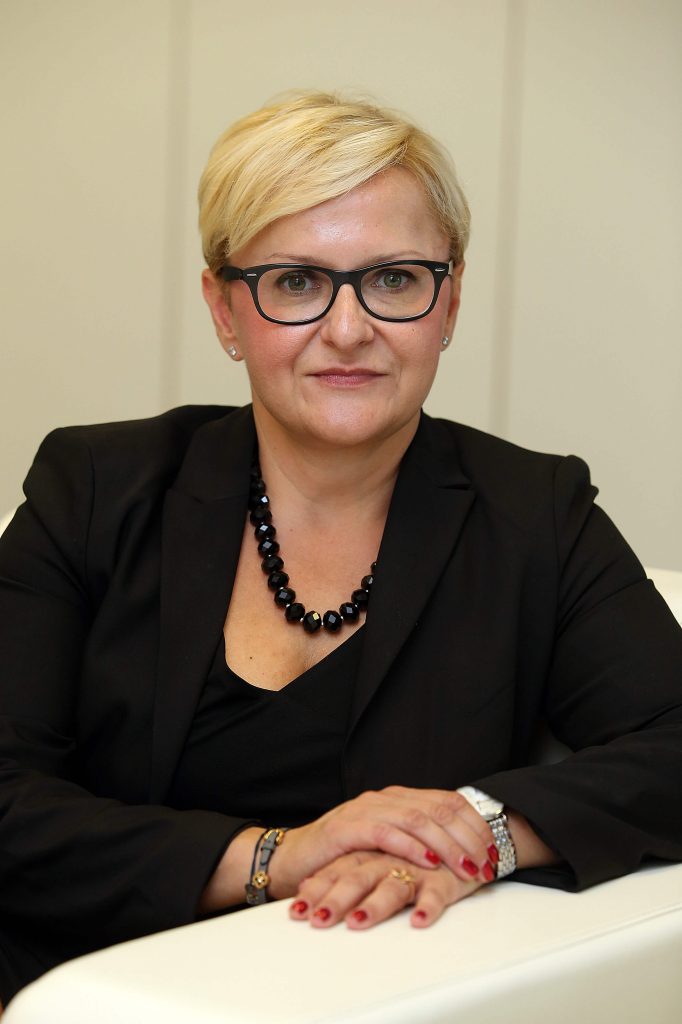
Ivana is what I call a super-woman. I know that many super-women actually do not like being called that, but it doesn’t make it less true—and I stand by my statement! And when talking about female empowerment, she’s the perfect example.
She has a very responsible job in a man’s world—she is the President of the Zagreb Stock Exchange, is very active in supporting women and their career development, and she’s a mother of a 7-year-old.
We met Ivana in spring 2016 when she joined our Balance yoga retreat, and I am very happy to now share this interview with her. We talk about her job, being a woman, and the challenges that come with it—as well as the big and small things she does to drive female empowerment in her professional and personal life.
Running the Zagreb Stock Exchange
You are the President of the Zagreb Stock Exchange – it sounds and is very important. What does the job entail?
For six and a half years I have headed the capital market in Croatia. Recently, we also acquired the Slovenian Stock Exchange, so we’ve gone international. My job includes running a company with 22 employees and following strict capital market regulations, managing new projects, and opening new markets. I studied economics, earned an MBA at IEDC Bled, and pursued further education in finance and management.
Starting Out in Finance
What was your first job after graduating from university and how long was your career path until you reached this position?
My first job was in Pliva, Croatia’s largest pharmaceutical company at the time. It was listed on both Zagreb and London Stock Exchanges. I stayed there for five years, leaving as Head of Capital Markets. I was only 28, but due to the transitional period after socialism, many young professionals advanced quickly. This foundation helped pave the way toward my leadership role—and toward my passion for female empowerment.
Personal Loss and Self-Reliance
What were the main challenges you’ve encountered along the way?
I lost both parents by the age of 25. Many young people still rely on their families well into their 30s, so this set me apart. It taught me to rely solely on myself. Even now as a mother, I don’t have family assistance—which is still the norm in Croatia. But that challenge made me stronger and more self-sufficient.
Navigating Discrimination as a Woman in Leadership
In your career, have you ever experienced discrimination just because you were a woman? And being in this position now, do you still? How do you handle it?
Discrimination is everywhere—against the elderly, the poor, and certainly against women. Just look at the numbers: despite being more than 50% of the population and outpacing men in education, women are vastly underrepresented in top leadership roles. Many women’s careers are set back by maternity. And despite declining birth rates, there is little structural support.
I don’t just handle discrimination—I fight it. I work on small, actionable changes: supporting pregnant employees, mentoring women, and promoting top female talent. These are the steps that lead to broader female empowerment.
Still a Minority in Leadership
Are women still a minority in roles like yours?
Absolutely. At a recent conference, I was the only woman among 11 stock exchange heads. Change must be systemic. I believe in quotas as a temporary solution to fix the imbalance. Croatia’s current parliament has the lowest number of women in history, despite legislation against such inequality.
We need political will to enforce equality and promote female empowerment at every level. Voluntary change isn’t happening fast enough.
Why I Love My Career—and What’s Hard About It
What are the main reasons you chose and love your career, and what are the downsides?
I love being in a position where I can influence society, even in small ways. It’s incredibly rewarding to be part of change that helps build a healthier, more mature society.
Of course, there are downsides—long working hours and a lot of stress. But I handle them with strength and yoga.
What It Takes to Get to the Top
What qualities should a woman possess to get to the top in your line of work?
Work hard. Be passionate. Show up on time. Respect others. Pay attention to the big picture. Help where you can. And enjoy the ride.
Gender-Specific Challenges with Female Empowerment
What main challenges must a woman be ready to encounter in this line of work?
It can be lonely. My male colleagues often have “men talks,” and I’m simply interested in different things. Also, never forget your femininity. You don’t need to act like a man to succeed in a man’s world. Being a woman is your strength.
Is It Still Harder for Women to Succeed?
Do you agree that even in this day and age it’s much harder to reach high positions in business and politics if you are a woman?
Yes. The data is clear. So many strong, capable women never get through. But change is coming.
Back in 1926, Nikola Tesla predicted a future where women rise to power—not by imitating men, but by awakening their intellect. I hope every girl born into this world will have the same chance at success as any boy. Because female empowerment isn’t about money or attention—it’s about the freedom to choose your path.
The fact that we still read about women attacked or killed by their partners shows how crucial it is for women to be independent and self-sustaining.
Advice to Women on Their Own Career Paths
What would be your advice for women who are on their own career paths and may be feeling discouraged?
Learn. Stay calm. Always plan one step ahead. Be strong and don’t be afraid. You are just as capable as anyone else. Look around—there are women who can and will help you.
Final Thoughts on Female Empowerment
Female empowerment is not just a concept—it’s a necessity for a fair and thriving society. Ivana’s story shows that leadership, resilience, and progress go hand in hand. By supporting one another and fighting for structural changes, we open doors for the next generation of women to rise.
Let’s continue to champion each other, speak up, and demand the space we deserve—not only for ourselves, but for those who come after us.
This interview was originally published in 2017.

 © Copyright Dalmatia Events |