



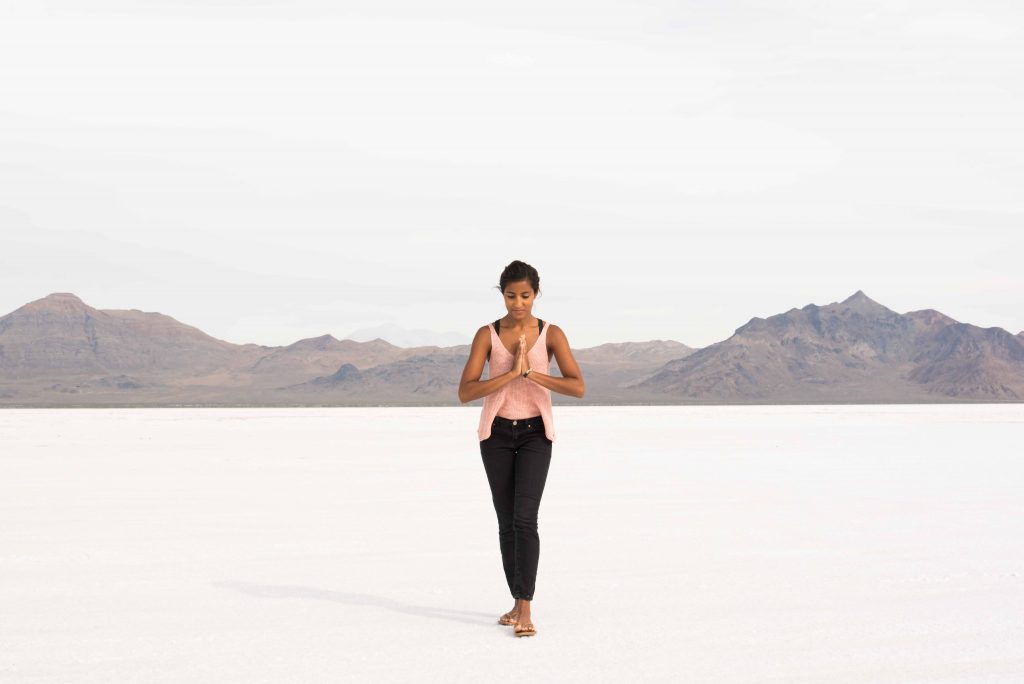
We’re excited to introduce you to Sarah Henderson, a passionate and grounded yoga teacher who brings warmth, wisdom, and intention to every class she leads. With a deep love for movement, mindfulness, and growth, Sarah has been on a transformative journey—and now she shares her insights on teaching yoga and the powerful changes it can bring to both teacher and student.
Why and When Did You Decide to Start Teaching Yoga?
When I started practicing yoga regularly, I noticed beautiful and unexpected changes in my mind and heart. This practice was changing my life in profound ways, so I signed up for a teacher training in 2013—not with the goal of teaching yoga at first, but simply to deepen my understanding.
During training, I felt an immense connection to the other students and teachers, and to the long-standing traditions of yoga. As I began practice teaching, I realized how meaningful and rewarding it was to guide others to connect with themselves, release tension, and truly be present. Even though I had never been a comfortable public speaker, sharing this practice came from the heart. Teaching yoga helped me overcome that fear, and after finishing training, I knew I wanted to continue teaching and share its transformative power with others.
What Do You Enjoy Most About Teaching Yoga?
I genuinely love sharing something that has had such a positive influence in my own life. I’m grateful for the connections made through teaching yoga—the beautiful community that forms when people show up to move, breathe, and grow together.
I enjoy guiding students into stillness, helping them listen inward, and creating a space where they can simply be. Watching students (and myself) evolve through this process of self-discovery brings me so much joy. One of the most beautiful aspects of teaching yoga is how much I learn in return. It has opened my heart and mind in ways I never expected and helped me grow as a person.
What Are the Biggest Yoga Benefits to You Personally?
Yoga has changed my life on many levels—mentally, physically, and spiritually. For me, the biggest benefits include:
- Breath Awareness: Learning to anchor into my breath has helped me stay centered and grounded in any situation. It’s become a tool I rely on daily to regulate my nervous system and bring awareness to the present moment.
- Authenticity: Teaching yoga has helped me silence the inner critic, connect with my intuition, and live more fully aligned with my truth. I now make decisions that reflect my values and allow me to live a life I love.
- Body Confidence: Through consistent practice, I’ve gained strength, balance, and a deeper understanding of my body. Watching my body grow into poses that once felt out of reach has been so empowering.
Yoga has helped me cultivate a more passionate, peaceful, and authentic life. It’s given me tools to face challenges with grace and find wisdom in the process.
Advice for New Students Nervous About Starting Yoga
One of my favorite quotes is from the Bhagavad Gita:
“Yoga is a journey of the self, through the self, to the self.”
This quote reminds us that teaching yoga or practicing it doesn’t require physical perfection or strength—it starts with presence, breath, and willingness. New students should know that the hardest part is simply showing up. You are already enough, just as you are.
Everyone in the room is focused on their own journey. Find a style, a studio, and a yoga teacher that resonates with you. Be open to exploring. And trust that yoga will find you when you need it.
Changes You See in Students After Practicing Yoga
Over time, I see beautiful shifts in students—not just physically, but mentally and emotionally too. Some of the changes include:
- Increased concentration, flexibility, and strength
- Greater self-acceptance and calmness
- Ability to find stillness and comfort in silence
- Growing body intelligence and inner confidence
- Awareness of personal boundaries and limits
One of the most rewarding things I witness as a yoga teacher is a student taking Child’s Pose when they need it—or choosing to challenge themselves when they feel ready. It shows deep self-awareness and trust in their own body.
Teaching Yoga in Retreat Settings
Being away from daily responsibilities offers students the opportunity to unplug and fully immerse themselves in their practice. While yoga retreats can enhance the experience, teaching yoga is equally powerful in any setting where space is held with intention.
When distractions are removed, people are more present, reflective, and open to transformation. That’s the magic of yoga—it can happen anywhere when you’re willing to tune in.
Do You Have Any Examples of Living a Balanced Life While Teaching Yoga?
Balance is essential. I’ve learned to celebrate effort rather than results—like enjoying a mimosa and brunch after completing my first half-marathon (regardless of time!).
I try to eat healthy 70–80% of the time, but I also indulge in life’s joys without guilt. Teaching yoga has also helped me learn how to slow down, take rest, and enjoy the simple moments—like reading in the sun or savoring a view. I believe in goal-setting, but also in being fully present and celebrating life along the way.
Why Teaching Yoga Is a Lifelong Journey
Teaching yoga is not just a profession—it’s a calling, a mirror, and a path of ongoing learning. For Sarah, it’s about connection, authenticity, and helping others come home to themselves.
Through breath, movement, and presence, Sarah continues to inspire her students—and in doing so, she grows, too. Whether you’re just starting out or already deep in your practice, her story is a reminder that yoga meets you where you are and takes you where you need to go.

 © Copyright Dalmatia Events |